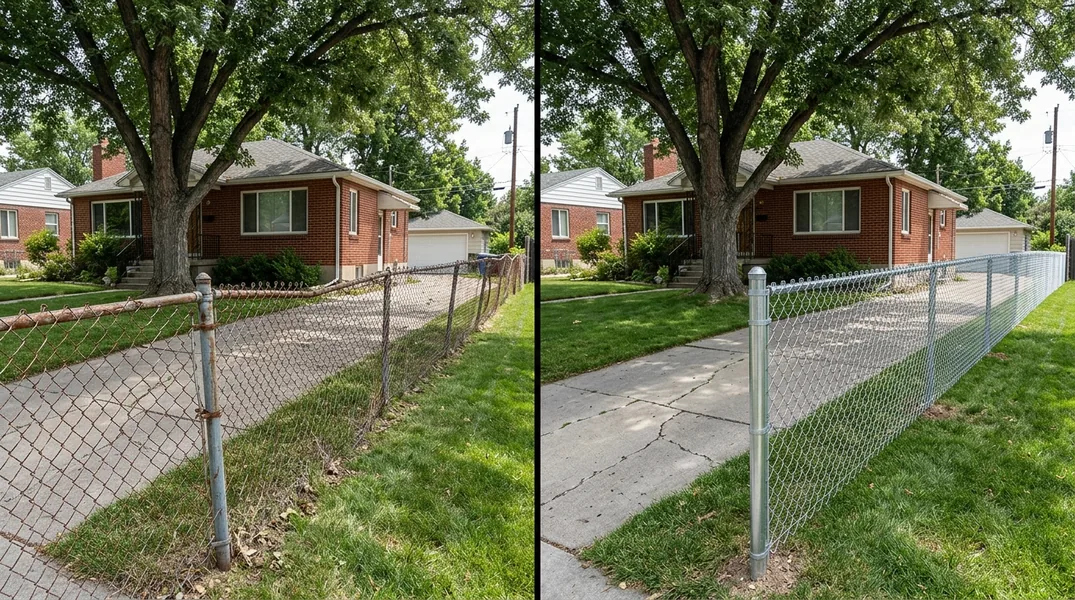
Understanding Lake Bonneville Gravel and Your Fence Foundation
If you live in Salt Lake City, you're building on some of Utah's most distinctive geology. Much of the valley sits atop Lake Bonneville gravel, a legacy of the ancient inland sea that covered the region thousands of years ago. This geological foundation has profound implications for anyone planning a Wood & Privacy Fence Installation.
Lake Bonneville gravel is characterized by compacted layers of sand, silt, and small stones left behind when the prehistoric lake receded. While this material is generally stable, it presents unique challenges for fence installation. The gravel can shift over time, especially when exposed to freeze-thaw cycles common in Utah winters, and it may not provide the solid, predictable foundation that other soil types offer. Understanding these characteristics helps you make informed decisions about your fence project and ensures your investment stands the test of time.
Do I Need a Permit for a Fence in Salt Lake City?
One of the first questions homeowners ask is whether they need a permit for their fence project. The short answer is yes, most residential fence installations in Salt Lake City require a building permit. This requirement exists to ensure that fences meet local safety codes, property line regulations, and community standards. Skipping the permit process might seem like a shortcut, but it can lead to costly complications down the road, including fines, forced removal, or disputes with neighbors.
The permit application process involves submitting detailed plans of your fence project to the Salt Lake City Planning Division or your local city office. They'll review your plans to ensure compliance with local ordinances before issuing approval. This step is especially important when your property sits on Lake Bonneville gravel, as inspectors may have specific requirements about foundation depth or post installation methods to account for the soil's unique characteristics. Working with an experienced fence contractor like Salt Lake City Fence Company ensures your project meets all local requirements from the start.
Fence Height Regulations: What Salt Lake City Allows
Fence height regulations in Salt Lake City are designed to balance privacy with neighborhood aesthetics and sight line safety. Standard regulations typically allow front yard fences to reach 4 feet in height, while backyard fences can extend to 6 feet. However, these guidelines can vary depending on your specific zone, lot configuration, and whether your property is in a historic district or subject to HOA restrictions. Understanding these height limits before you invest in materials and labor is essential for avoiding costly mistakes.
The reasoning behind height restrictions relates to traffic safety, neighborhood character, and property rights. Front yard fences that are too tall can obstruct driver sightlines at intersections, creating hazards. Backyard fences have more flexibility because they're less visible from public streets. When building on Lake Bonneville gravel, you may also need to account for settling or shifting that could affect fence appearance over time, making it important to consult with professionals who understand local soil conditions. Always verify your specific requirements with your city's planning department or your fence contractor before beginning any project.
HOA Approved Fence: Meeting Community Standards
If your home is part of a homeowners association, you're likely subject to additional restrictions beyond city regulations. An HOA approved fence means your design, materials, color, and style must align with community guidelines established in your HOA's covenants, conditions, and restrictions (CC&Rs). Many HOAs in Salt Lake City have specific architectural review boards that evaluate fence proposals before installation begins. Submitting your plans for HOA approval before obtaining your city permit can save time and prevent conflicts later.
Common HOA requirements include restrictions on fence height, material choices, color palettes, and visibility from the street. Some communities prefer traditional wood fencing, while others allow vinyl or aluminum options. The good news is that most HOAs recognize the value of privacy fencing and approve reasonable requests that maintain community standards. When you're working with Lake Bonneville gravel soil, your HOA may also have concerns about long-term settling or maintenance, so transparency about your installation methods and materials can facilitate smoother approval. Contact your HOA's architectural review committee early in the planning process, and consider bringing in a professional like Salt Lake City Fence Company to present your project with confidence and expertise.
Fence Permit Cost in Salt Lake City: What to Budget
Understanding the pricing associated with permits and installation helps you create a realistic budget for your fence project. The cost of a fence permit in Salt Lake City typically ranges from $50 to $200, depending on the scope of your project and current city fees. While this might seem like a minor expense, it's important to factor it into your overall project budget alongside materials and labor. Some contractors include permit costs in their estimates, while others bill them separately, so it's worth clarifying this during your initial consultation.
Beyond the permit fee itself, you should budget for the actual fence installation, which varies based on materials, length, and site conditions. Wood & Privacy Fence Installation typically costs between $15 and $30 per linear foot, though Lake Bonneville gravel soil might add costs for specialized foundation work. Alternative options like Vinyl & PVC Fence Installation or Chain Link Fence Installation offer different price points and durability profiles. To get an accurate estimate for your specific project, including all costs and site-specific considerations, contact Salt Lake City Fence Company at (385) 354-7337 or request a free estimate online.
Working with Lake Bonneville Gravel: Installation Best Practices
Installing a fence on Lake Bonneville gravel requires specific techniques to ensure stability and longevity. Because this soil type can shift with seasonal changes and moisture fluctuations, professional installers often recommend deeper post holes than standard practice, sometimes extending 3 to 4 feet below grade rather than the typical 2 to 3 feet. Concrete footings must be properly mixed and cured to create a stable anchor that can withstand the unique movement patterns of Lake Bonneville gravel. This is why hiring experienced contractors who understand local soil conditions is invaluable for your project's success.
The freeze-thaw cycles that characterize Utah winters can be particularly challenging for fences built on gravel soil. Water can seep into the gravel around fence posts, freeze, expand, and eventually shift the post out of alignment. Professional installers mitigate this risk by using proper drainage techniques, appropriate concrete mixes, and post materials that resist moisture damage. Whether you choose Wood & Privacy Fence Installation, Aluminum & Ornamental Iron Fencing, or another material, working with contractors familiar with Lake Bonneville gravel ensures your fence remains straight, secure, and beautiful for years to come. Salt Lake City Fence Company brings this local expertise to every project, ensuring your investment is protected from the ground up.
Looking for a professional fence contractor in Salt Lake City? Salt Lake City Fence Company responds fast for all your fence needs.
Get a Free Quote